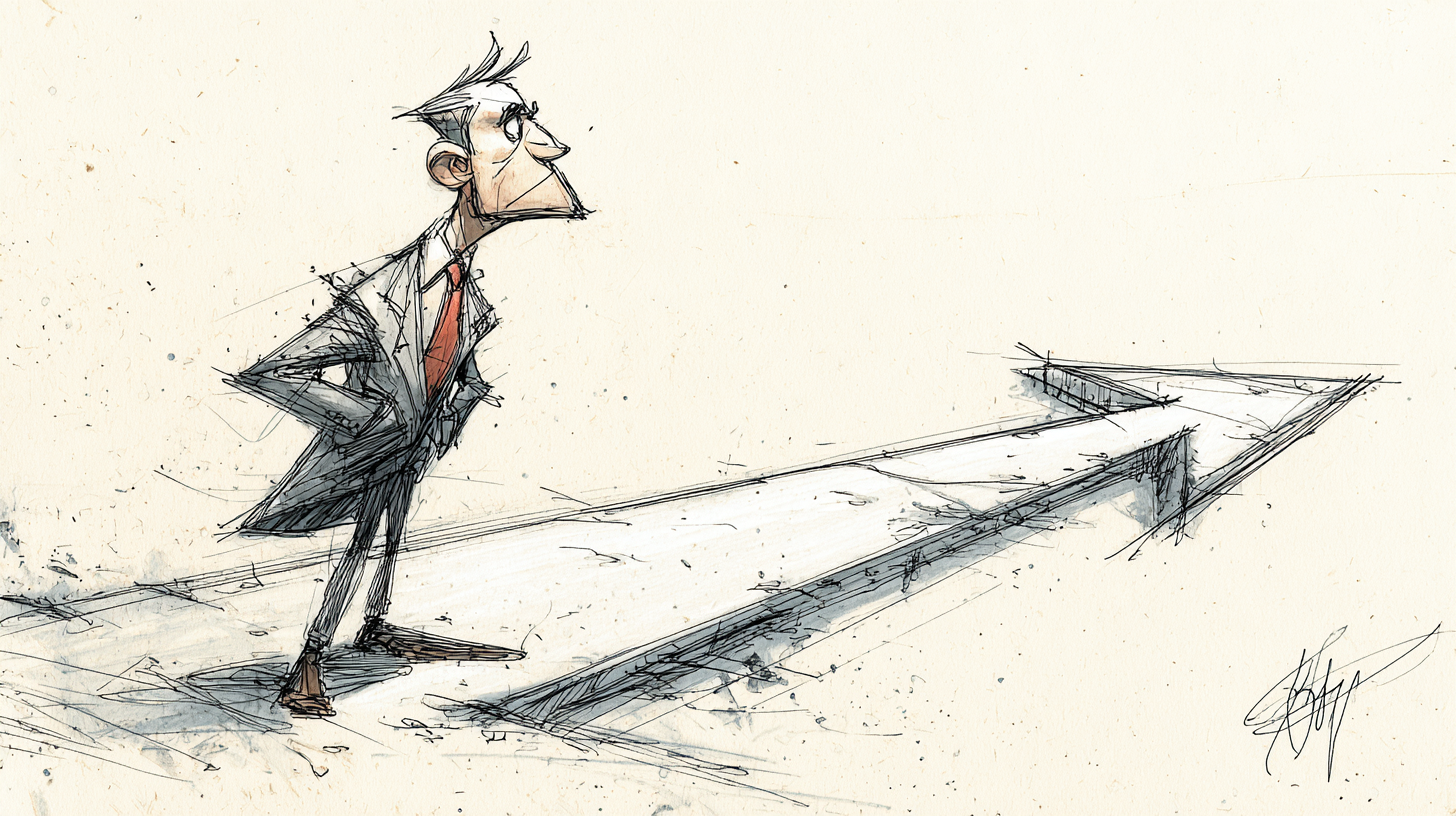
Pattern
Pattern intelligence is the foundation of all statistical learning. It is the capacity to detect regularity — to notice that certain features co-occur, that sequences repeat, that distributions have shape. Every machine learning model, from logistic regression to the largest transformer, operates at this tier.
What makes pattern intelligence irreducibly human is not the detection itself — machines surpass us there — but the judgment of which patterns matter. A model finds every correlation. A human decides which ones are meaningful. The distinction between signal and noise is not a statistical problem. It is an interpretive one.
At this tier, the question is not whether AI can recognize patterns. It can. The question is whether pattern recognition alone constitutes understanding. The answer, consistently, is no. Understanding requires context, purpose, and the ability to know when a pattern is coincidence rather than cause.
Articles in this tier explore the boundary between statistical regularity and genuine comprehension — where pattern recognition ends and human intelligence begins.